
Overview
- Server room airflow failures often trace back to improper damper selection, not cooling equipment.
- Dampers play a critical role in temperature stability, pressure balance, and energy efficiency.
- Leakage, thermal bridging, and control accuracy are major risks in mission-critical environments.
- Damper materials and construction directly affect long-term reliability.
- Engineers must account for continuous operation and limited maintenance access.
- Proper damper selection reduces operational risk and supports uptime goals.
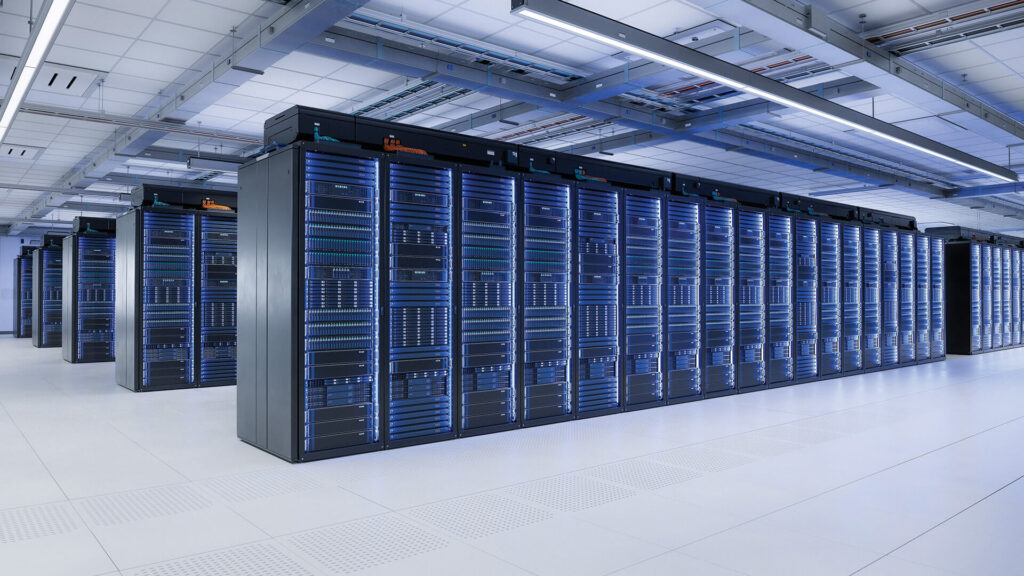
Mission-critical server rooms and data centers depend on precise airflow control to maintain safe operating temperatures and prevent equipment failure. While cooling systems receive much of the design attention, dampers quietly play a central role in how effectively air is delivered, controlled, and contained. Poor damper selection can undermine even the most advanced HVAC systems, leading to hot spots, inefficiencies, and increased operational risk.
Understanding how to select the right dampers is essential for engineers tasked with ensuring reliable airflow and temperature control in these high-stakes environments.
Why Dampers Matter in Server Room Airflow Design
In server rooms, airflow must be predictable, stable, and continuous. Dampers regulate how air enters, exits, and circulates within the space, helping to maintain proper pressure relationships and prevent unwanted air mixing.
When dampers are improperly selected, common issues include:
- Inconsistent airflow distribution.
- Leakage that reduces cooling efficiency.
- Uncontrolled bypass air paths.
- Increased cooling loads and energy consumption.
Because server rooms operate 24/7, even small inefficiencies can compound over time, impacting both reliability and operating costs.
Controlling Temperature Through Airflow Precision
Temperature control in server rooms depends on delivering the right amount of air to the right place at the right time. Dampers influence this balance by controlling volume, direction, and isolation of airflow paths.
Key airflow considerations include:
- Maintaining a consistent supply of air to server racks.
- Preventing short-circuiting between hot and cold aisles.
- Supporting proper return air paths.
- Managing pressure differentials between spaces.
Dampers with poor control characteristics or excessive leakage make it difficult to maintain stable temperatures, increasing the risk of overheating and equipment stress.
The Importance of Low Leakage Performance
Air leakage is one of the most common hidden issues in server room airflow systems. Even small amounts of leakage can:
- Reduce delivered cooling capacity.
- Increase fan energy usage.
- Create temperature imbalances.
- Undermine containment strategies.
Selecting dampers designed for tight sealing and minimal leakage is critical in mission-critical environments. This is especially important where airflow must remain isolated between zones or when maintaining precise pressure relationships is required.
Managing Thermal Bridging and Energy Loss
Thermal bridging occurs when heat transfers through damper frames or components, bypassing insulation and increasing cooling demand. In server rooms, this can lead to:
- Unwanted heat gain.
- Reduced system efficiency.
- Higher operating costs over time.
Dampers designed with thermal break technology help limit conductive heat transfer through the frame, supporting better temperature stability and energy efficiency. This design consideration becomes increasingly important in facilities striving to improve overall power usage effectiveness (PUE).
Durability and Continuous Operation Considerations
Server room dampers are expected to operate continuously, often in locations that are difficult or costly to access for maintenance. As a result, durability and long-term reliability are just as important as initial performance.
Engineers should consider:
- Materials resistant to corrosion and wear.
- Construction is designed to maintain alignment over time.
- Smooth, reliable blade operation under constant use.
- Designs intended for maintenance-free or low-maintenance service.
Selecting dampers built for long service life helps reduce the risk of failure and unplanned disruptions.
Supporting Reliability With the Right Damper Strategy
Ultimately, proper damper selection supports the broader goals of mission-critical facility design: uptime, reliability, and efficiency. When airflow control components are engineered specifically for these environments, they contribute to stable temperatures, predictable performance, and reduced operational risk.
Toward the end of the design process, engineers often evaluate manufacturers that offer dampers engineered for demanding applications, including server rooms and data centers. Purpose-built damper designs with features such as low leakage performance, thermally broken frames, and robust construction can help support these requirements and align with long-term facility goals.
Tamco Serves Mission-Critical Server Room Damper Needs
Ensuring proper airflow and temperature control in server rooms requires more than simply selecting high-capacity cooling equipment. Dampers play a foundational role in how air moves through the space and how reliably the system performs over time. By focusing on leakage control, thermal performance, durability, and airflow precision, engineers can significantly reduce risk and improve overall system effectiveness.
Tamco is here to answer your questions about damper selection in mission-critical server rooms or to discuss application-specific requirements. Contact our team today.

Bobby Seals
Bobby Seals is the OEM Key Account Manager at Tamco, where he leads engagement with strategic OEM partners across North America. With more than 30 years of industry experience and an engineering background, Bobby brings a rare combination of technical depth and real-world application knowledge to his role. He works closely with customers to understand their unique requirements, aligning Tamco’s damper solutions with OEM system design and performance goals. His focus on building long-term partnerships, supporting complex applications, and delivering technical expertise helps ensure Tamco continues to meet the evolving demands of OEM markets.